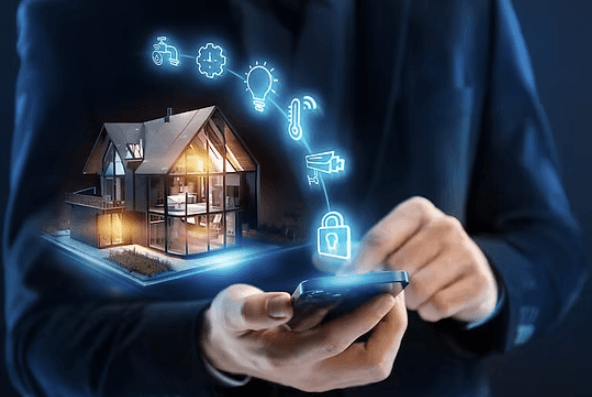
Future trends in smart home technology point toward ubiquitous connectivity, AI-driven personalization, and interoperable ecosystems. Systems will learn user patterns to cut waste, optimize maintenance, and extend device life within scalable, privacy-forward architectures. Energy-aware automation will balance consent with autonomous scheduling and demand response. Real-world deployments will reveal ambient assistants and adaptive environments, underpinned by edge processing and resilient control. The implications for strategy, governance, and measurable outcomes invite deeper consideration.
What’s Driving the Next Wave of Smart Homes
The next wave of smart homes is being propelled by a convergence of ubiquitous connectivity, advanced sensing, and artificial intelligence that translates data into proactive care, efficiency, and personalization. This momentum emphasizes enhanced user experience and extended device longevity, as systems learn preferences, reduce waste, and optimize maintenance. Strategic investments fuel scalable architectures, resilient data governance, and measurable outcomes for freedom-seeking households.
Interoperability and Unified Ecosystems
Interoperability and unified ecosystems emerge as the backbone of scalable smart homes, enabling a mesh where devices, platforms, and services share data seamlessly to deliver consistent user experiences.
AI, Privacy, and Energy-Driven Automation
AI-driven personalization, privacy safeguards, and energy-responsive automation are poised to redefine smart homes as data-informed ecosystems that optimize comfort, efficiency, and resilience while safeguarding user autonomy.
Strategic governance balances privacy concerns with transparent data use, enabling adaptive controls and consent-based learning.
Energy optimization emerges as a core metric, driving autonomous scheduling, demand response, and long-term reliability across decentralized, user-empowered designs.
Real-World Applications: From Ambient Assistants to Smart Environments
From ambient assistants that anticipate daily routines to immersive smart environments that adapt to changing contexts, real-world deployments illustrate how sensing, edge processing, and secure orchestration translate ambitions into measurable outcomes. Strategic implementations showcase measurable efficiency, heightened autonomy, and resilient privacy. Ambient assistants enable proactive living, while Smart environments scale adaptability, guiding stakeholders toward data-driven decisions, freedom, and sustainable, decentralized control.
Frequently Asked Questions
How Will Cost Trends Affect Adoption in the Next Decade?
Cost trends likely shape adoption by lowering upfront barriers, narrowing payback periods, and shifting value toward interoperability. Adoption hurdles persist, but strategic investments, data-driven insights, and scalable pricing could accelerate widespread ownership and empower users seeking freedom.
Which New Sensors Will Redefine Household Automation?
Silence blooms as doors whisper: motion sensors, energy harvesters, indoor positioning, air quality redefine automation. The approach blends data-driven insights with freedom-centric strategy, forecasting adaptive systems, resilient networks, and scalable sensing that empower households to optimize comfort and autonomy.
See also: Why Technology Innovation Matters for Businesses
Can AI Misinterpret User Intent in Daily Routines?
AI misinterpretation can occur in daily routines, creating routine friction. The analysis highlights autonomy bias and privacy tradeoffs, guiding strategic, data-driven decisions that preserve user freedom while advancing adaptable, visionary smart-home autonomy.
What Regulatory Changes Might Impact Smart Home Data Use?
Regulatory changes may tighten privacy governance and redefine data ownership, shaping smart home platforms toward transparent consent, auditable data streams, and user-centric controls; privacy governance evolves as systemic safeguards, while innovators pursue freedom through principled, data-driven compliance.
How Will Smart Homes Affect Urban Energy Grids?
Smart homes subtly shape sagging grids through scalable storage, strategic demand response, and synchronized consumption. They enable resilient grid storage, flatten peak demand, and foster freedom-driven, data-informed decisions that secure sustainable, stable urban energy ecosystems.
Conclusion
The future of smart homes arrives with meteoric certainty, as if the house itself files a quarterly report on human behavior. Interoperability knits devices into a single nervous system, while AI hypnotizes us with tailored routines—privacy, energy, and consent traded for convenience in a brisk, efficiency-tinged economy. Yet the data stream promises fewer wasteful decisions and more resilient living. Visionary, data-driven certainty: society gains comfort, control, and a playful, almost ironic, sense that we finally mastered our machines.